
|

West Africa is home to 16 countries, each with a rich and diverse cultural heritage. Over the past 50 years, Washington State has become home to more than 20,000 West African immigrants, who have brought with them a deep appreciation for culturally relevant and traditional foods. However, accessing these foods has been a long-standing challenge for the community, given the complex logistics of importing food from Africa. Shipments can take months to arrive, during which time food may spoil or lose its authentic flavor. These extended shipping times, combined with packaging standards that often don’t meet USDA requirements, lead to high costs and frequent confiscations by U.S. regulatory agencies. The result is limited access to authentic and affordable West African produce.
For West African seniors in Washington, these limitations are compounded by significant lifestyle changes. Many elders have spent their lives growing their own food in a subsistence lifestyle, but now face language barriers, social isolation, and a sedentary lifestyle in the U.S. Without access to the fresh, familiar foods they grew up with, many have turned to processed foods, contributing to a rise in obesity, diabetes, hypertension, and other health issues. Many of these seniors have expressed interest in a community garden as a way to stay active and healthy while reconnecting with the food and lifestyle they knew back home.
The West African Community Garden will be a powerful tool in addressing these challenges by providing a space for the West African community to grow culturally familiar produce. It will offer a much-needed resource for newly arrived migrants, especially young men who, due to cultural norms, may not have had the chance to learn how to garden or cook in their home countries. Through this project, they will gain the skills to grow and prepare traditional foods, fostering self-sufficiency and cultural connection.
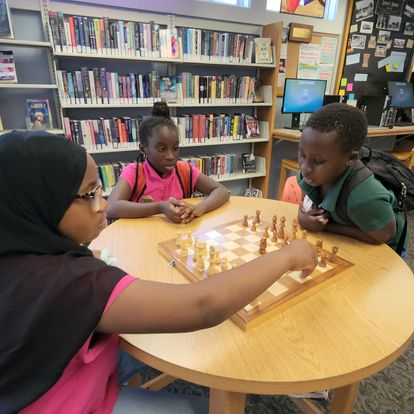
The garden will also serve as an educational resource for youth in our community. The Washington West African Center runs an after-school program, and we plan to use the garden to teach preschool through K-12 students about West African foods, from cultivation to cooking. This hands. on learning will allow them to carry forward their cultural heritage, understanding not only how to grow and cook these foods but also the cultural significance behind them.
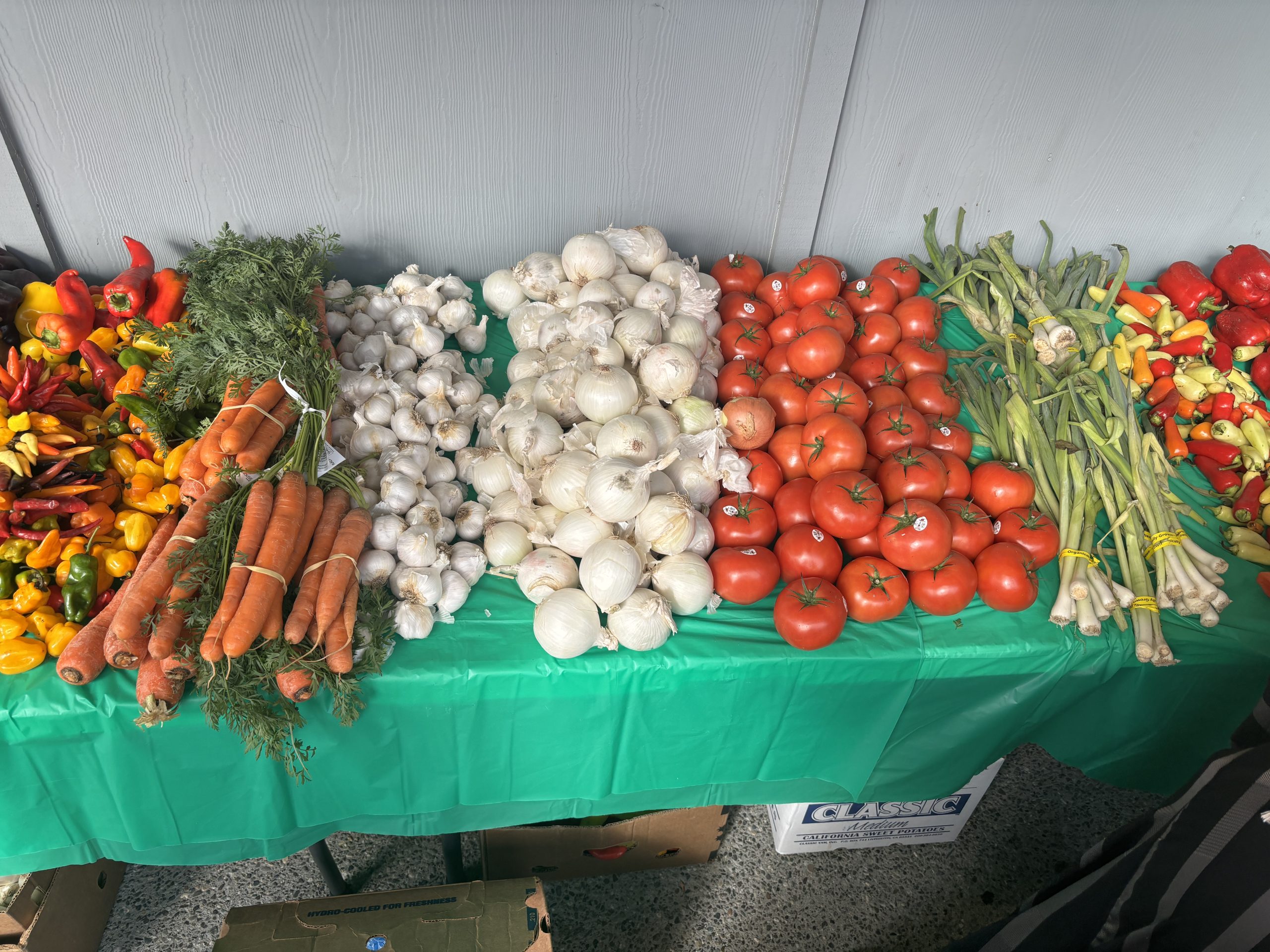
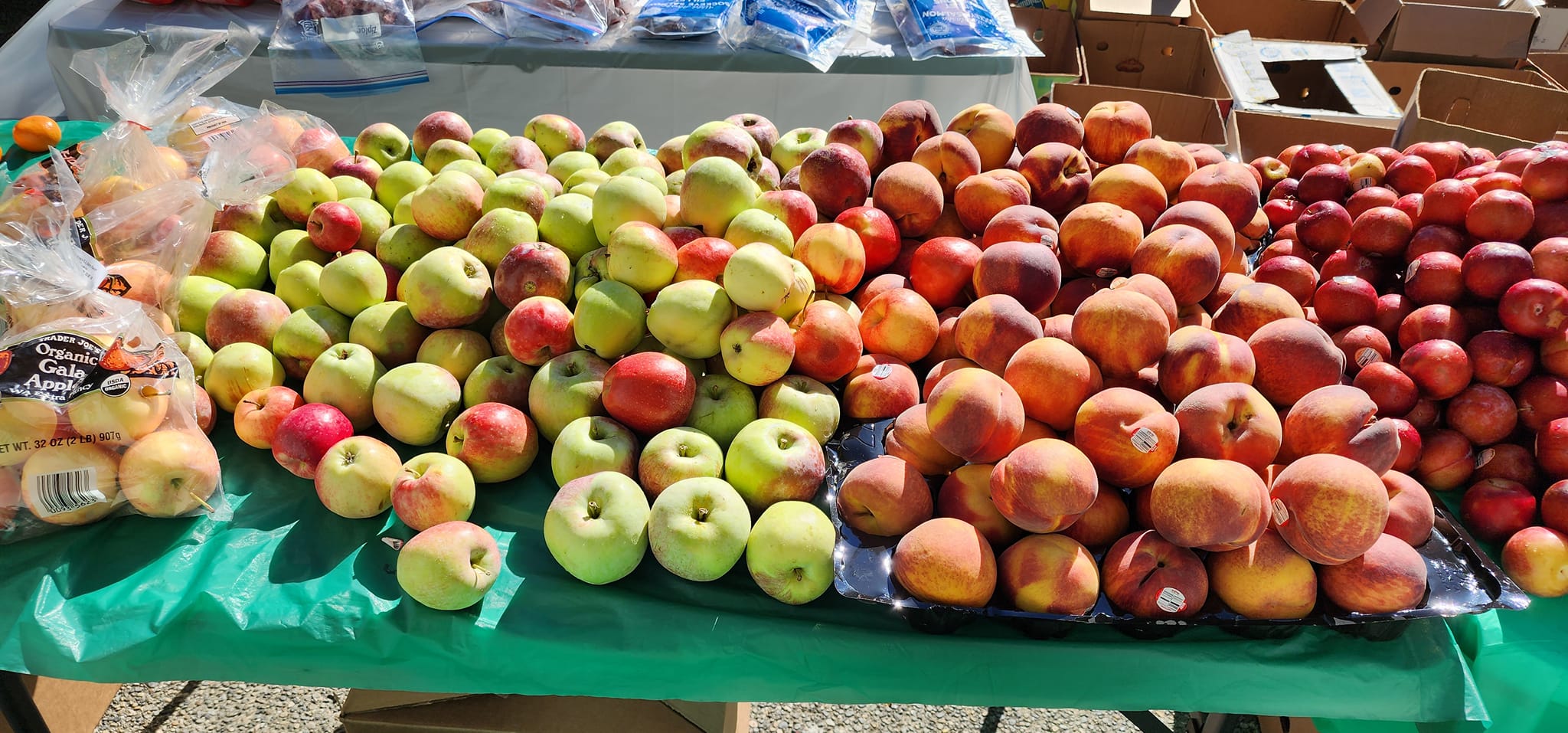
Additionally, the garden will support the bi-weekly LUMO West African Food Distribution, through which we give out 100 boxes of culturally relevant groceries to community members every other Friday. Rising food costs and limited access to West African ingredients make it increasingly challenging to sustain this program. By growing some of these ingredients locally, we can help meet the demand for culturally significant food while addressing food security concerns in our community.
In a nutshell, this project will:
- Provide elders with a familiar and active lifestyle through gardening
- Teach newly arrived migrants, especially young men, how to grow and cook culturally relevant foods
- Educate youth on West African agricultural and culinary traditions
- Enhance food security by supplying fresh, culturally significant produce to meet the community’s needs
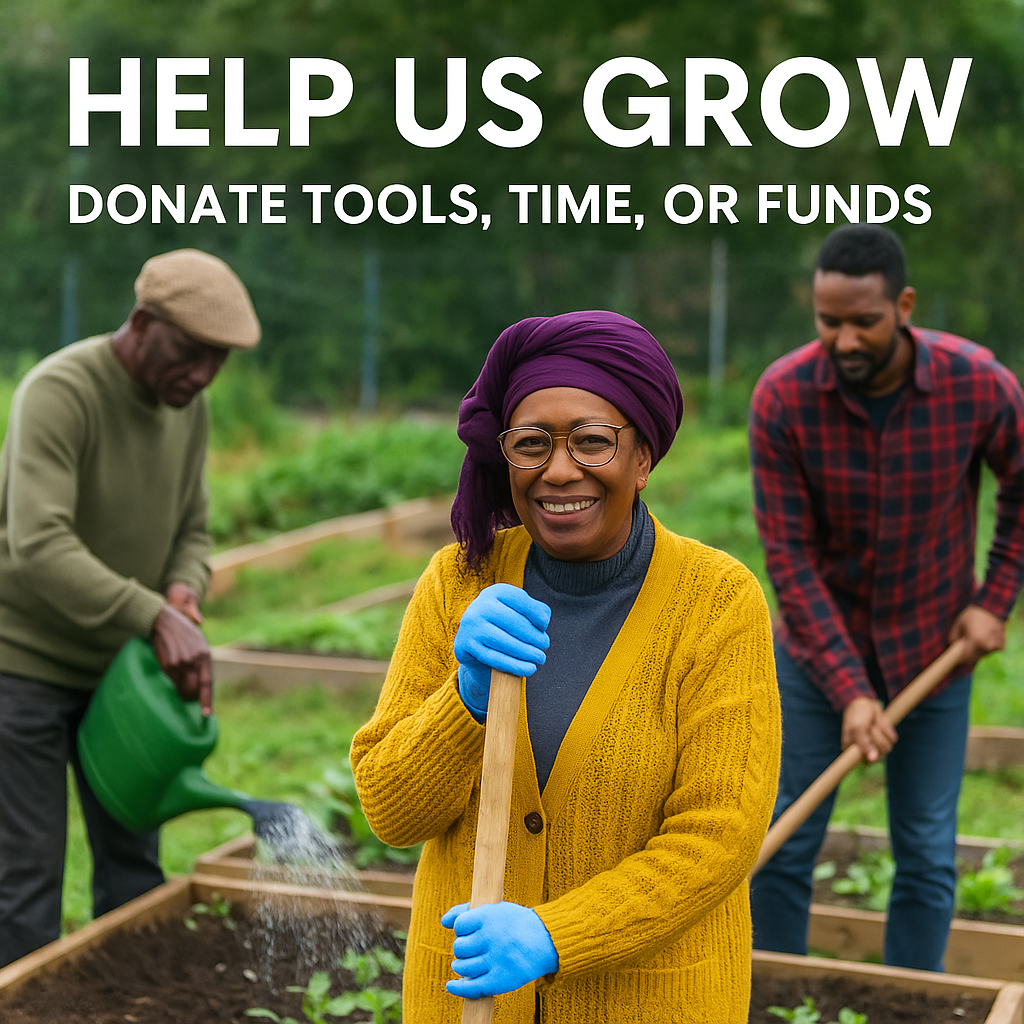
Based on the growing demand for culturally relevant food, we are excited to announce that after several months of engagement, the Washington West African Center (WAWAC) has partnered with Grace Lutheran Church in Mukilteo to launch a community garden for the 2025–2026 growing season, and YOU can be part of it!
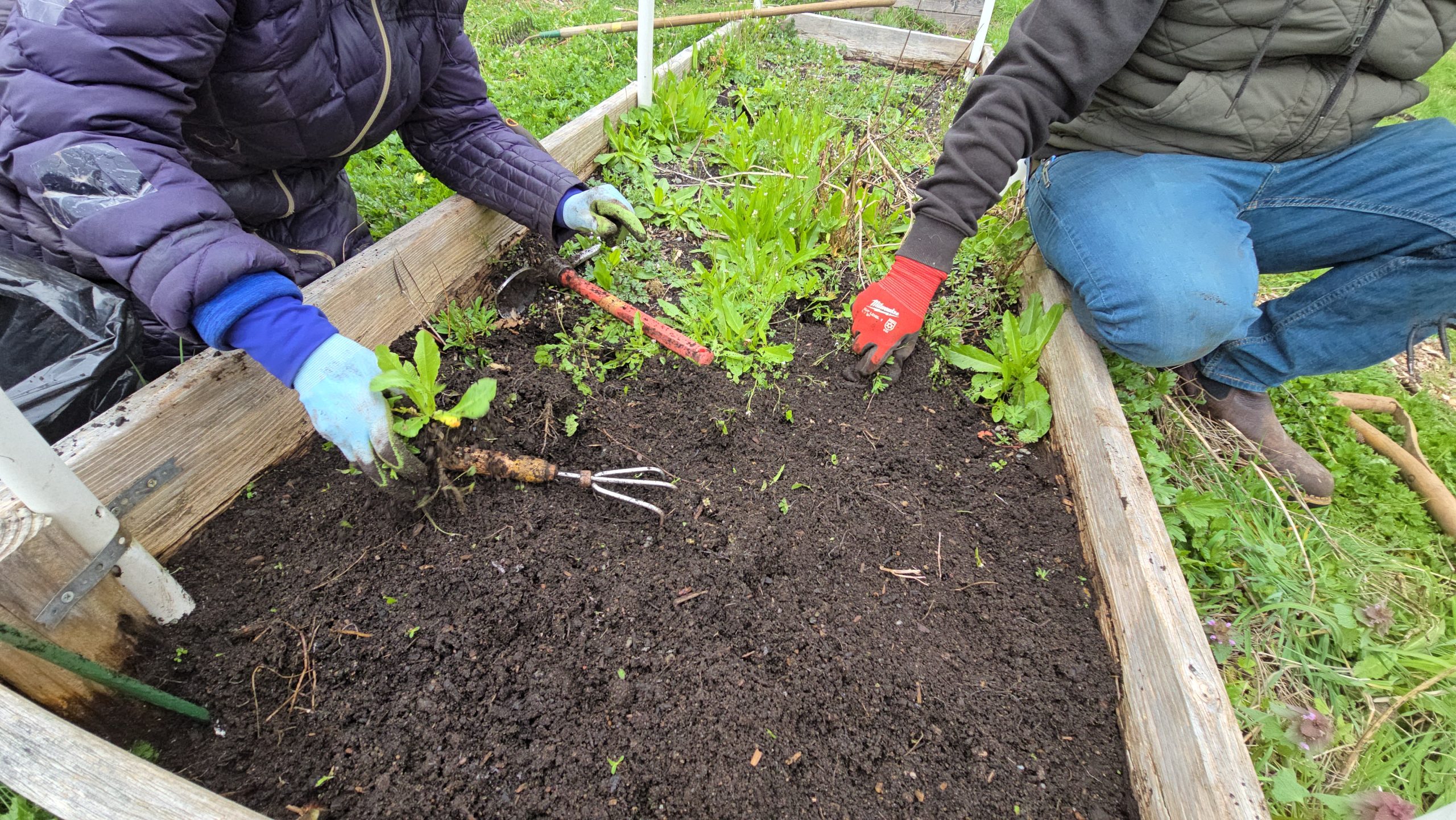
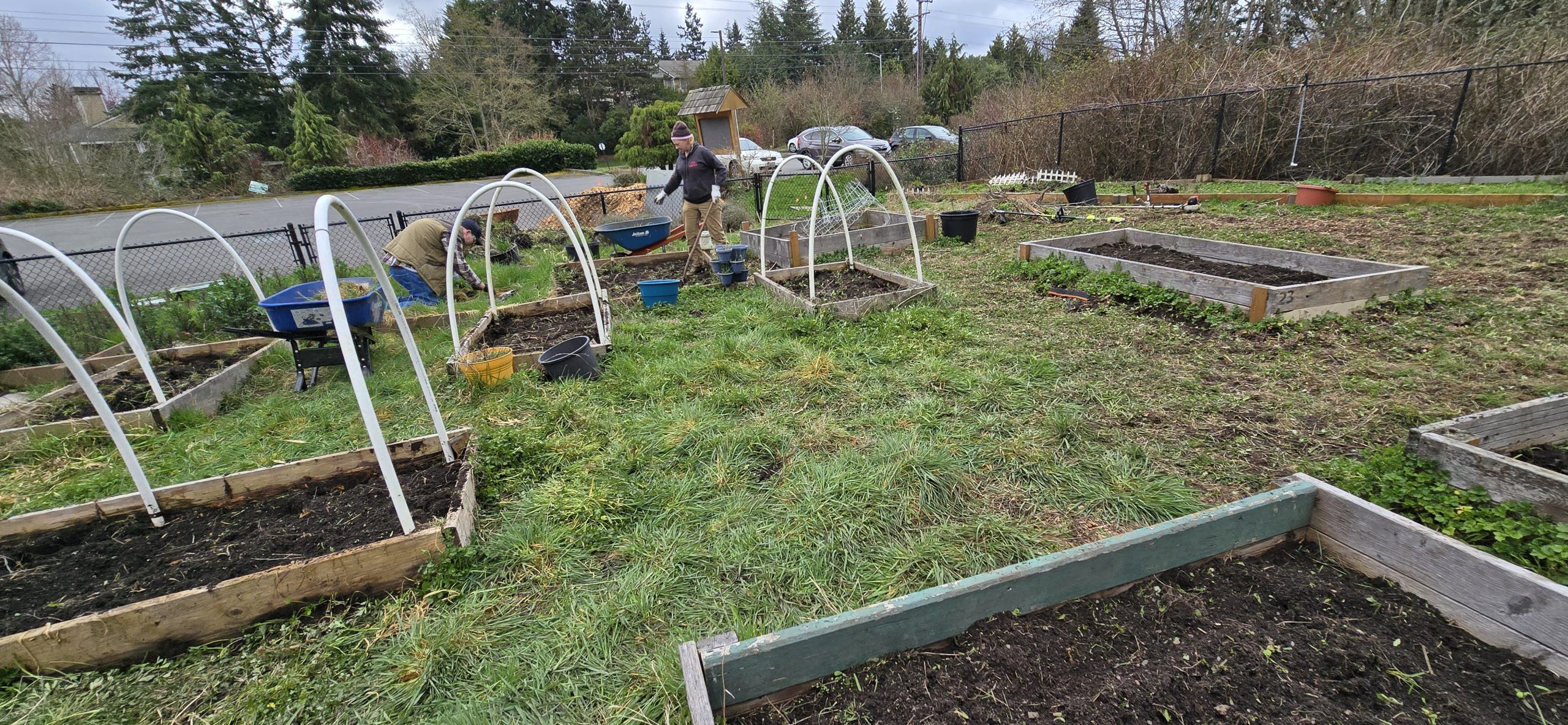
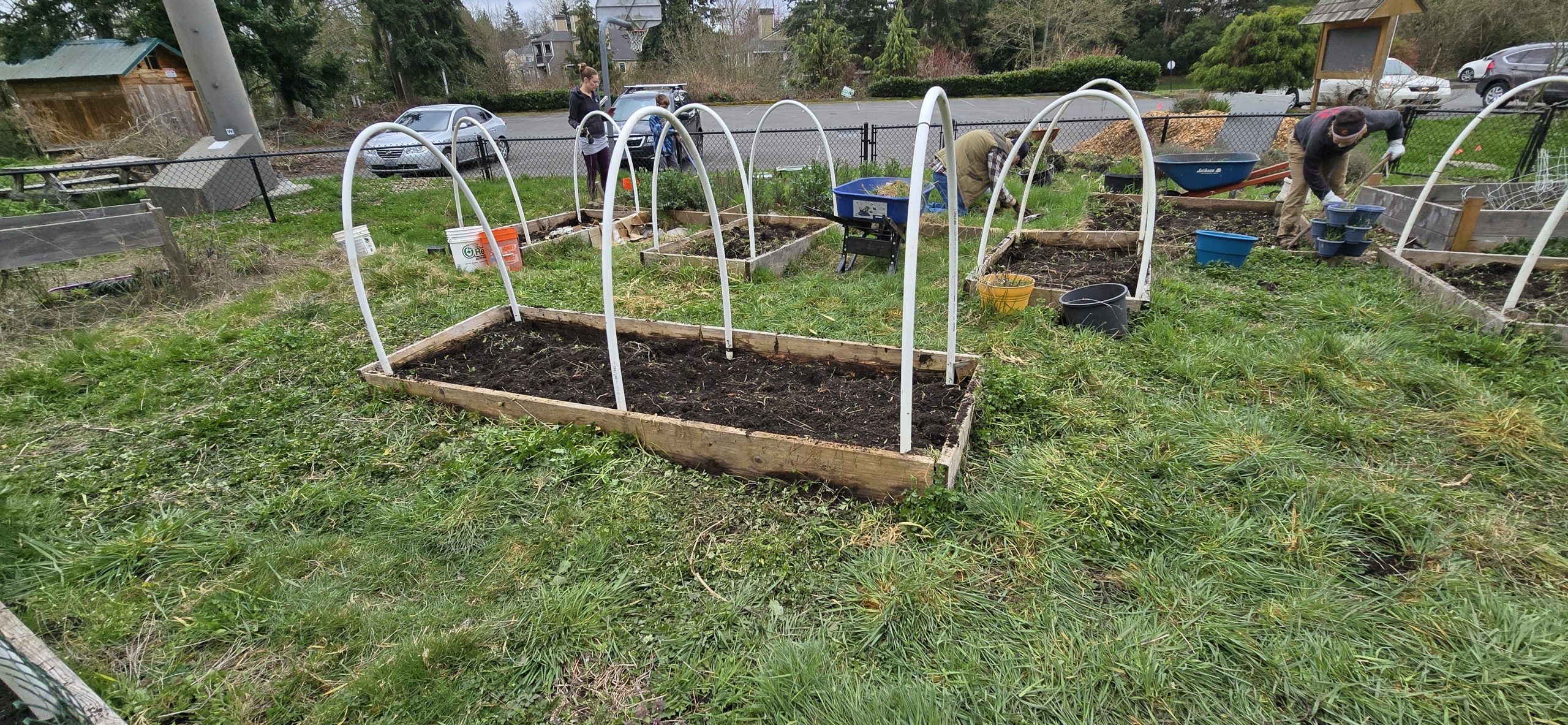
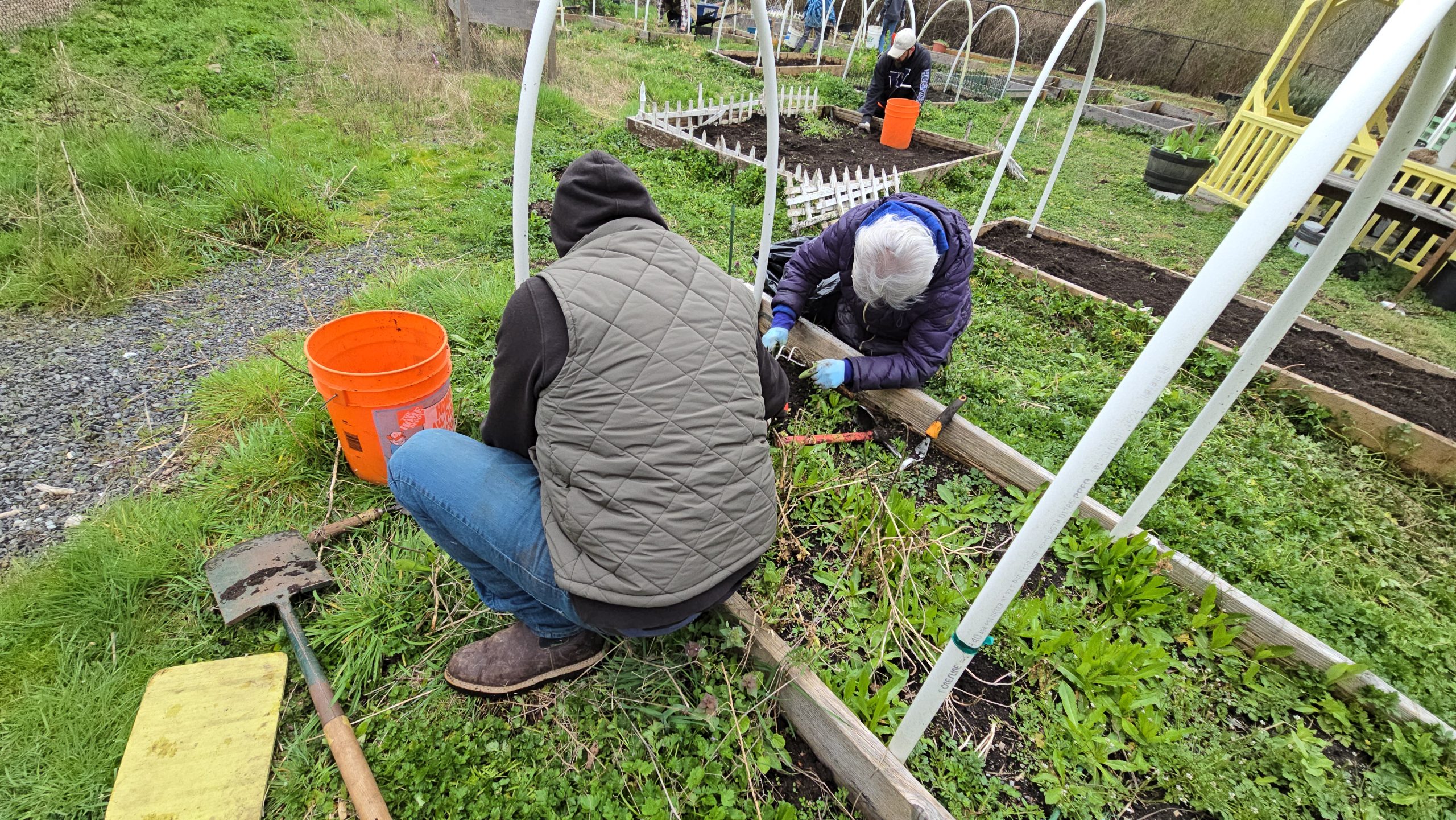
The garden is available, and the community is ready. In fact, more than 25 community members have already signed up for a garden bed. However, as seen in the pictures, the garden needs a lot of work before we can hand it to the community. We don’t have the tools, equipment, or materials we need to get it going. As a result, we need your help
HELP US FEED OUR COMMUNITY
We are seeking support from generous individuals and partners like you to help us equip the West African Community Garden with the essentials. Your gift (new or gently used gardening tools, financial contribution, or your time as a volunteer, will go a long way in feeding our community.
Here’s what we need right now:
What We Plan to Grow:
Our community members have shared an exciting list of crops they hope to grow in the new garden. We are asking for seed donations for these crops if you are able to support.
Crops Commonly Grown in West Africa:
- Black-eyed Peas
- Garden Eggs (African Eggplant)
- Okra
- Hibiscus (Sorrel)
- Scotch Bonnet (Hot Pepper)
- Chili (Hot Peppers)
- Bitter Leaf
- Amaranth (African Spinach)
- Jute Leaves (Ewedu)
- Maize (Corn)
- Pumpkin Leaves
- Peas
- Plantain
- Watermelon
Other Crops:
- Lettuce
- Carrots
- Tomatoes
- Cucumber
- Broccoli
- Red Onion
- White Onion
- Blueberries
- Collard Greens
- Kale
- Spinach
- Pumpkins
- Kabocha Squash
- Beans (including French Beans)
- Eggplant
- Red Spinach
- Cabbage
- Green Pepper
- Green Onion
Basic Tools:
– Garden spade and shovel
– Garden fork
– Hand trowel
– Hand pruners/secateurs
– Garden rake
– Leaf rake
– Hoe (standard and stirrup/hula styles)
– Watering can and/or garden hose with adjustable nozzle
– Garden gloves
– Wheelbarrow or garden cart
Additional Useful Tools:
– Soil test kit
– Garden twine and stakes
– Plant labels
– Row covers
– Dibber (for making seed holes)
– Garden knife or hori hori
– Broadfork (for soil aeration)
– Harvest basket
– Compost bin or tumbler
-Books about Gardening
Other ways to help: If you don’t have any of the above tools, you can still help by:
- Making a financial donation to help us purchase tools and supplies
- Volunteering your time to help us clear, build, plant, or teach our community members with little or no knowledge about gardening
- Spread the word and connect us to other individuals, partners or organizations that can support this project
Other ways to help: If you don’t have any of the above tools, you can still help by:
- Making a financial donation to help us purchase tools and supplies
- Volunteering your time to help us clear, build, plant, or teach our community members with little or no knowledge about gardening
- Spread the word and connect us to other individuals, partners or organizations that can support this project
Donate or Contact Us:
If you would like to support WAWAC to provide more culturally relevant food to the West African community in Washington State, contact us on 253-235-2132, or email info@wawac.org or visit www.wawac.org.
Or send a check or drop off your donation (tools) to the Washington West African Center 19203 36th Avenue W, Suite 210, Lynnwood, WA 98036
or Paypal:paypal.me/wawestafricancenter
or Website:https://wawac.org/donations/donate/
Let’s grow together. Help us plant the future, one seed, one tool, one donation at a time.
|
|
|

WE CAN ALSO PICK UP FROM SNOHOMISH OR KING COUNTY
If you have some of the above tools, supplies, equipment and other garden resources not listed above that you would like to donate but you don’t have the time or the means to drop it off, don’t worry, we have our community van and bus that we can use and our drivers will be happy to pick them up from you.
Oooops, lest we forget, we will also appreciate donations of other types such as fairly used electronics, household appliances, furniture etc. We are constantly helping newly arrived families to integrate in the state
The Washington West African Center, connecting West Africans in Washington with local resources and bridge the gap between us and the wider community. If we don’t have it, we go find!
WASHINGTON WEST CENTER 19203 36TH AVENUE W SUITE 210 LYNWOOD WA 98036] | [253 – 235 – 2132] | [WWW.WAWAC.ORG]